


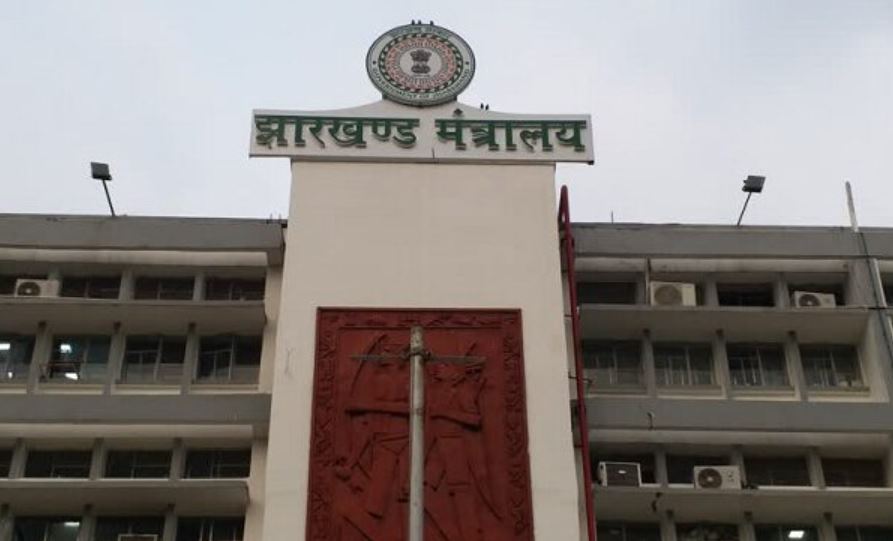
The Jharkhand Cabinet approved the framework for implementing the Panchayats (Extension to Scheduled Areas), PESA Act, 1996, marked a major policy shift in tribal governance nearly three decades after the central law came into force. The decision aimed to formally empower Gram Sabhas in Scheduled Areas, granting them a decisive role in matters related to land, natural resources and local development.
Also Read: Jharkhand High Court Ordered State to Present PESA Rules by 9th October
Though PESA became law in December 1996, Jharkhand (carved out of Bihar in 2000) had remained an outlier, with the Act never fully operationalised through state rules. While other Fifth Schedule states notified their PESA frameworks over the years, Jharkhand continued to rely on the Panchayati Raj Act, 2001, leading to legal and constitutional disputes over governance in tribal regions.
The Cabinet decision followed sustained pressure from the judiciary. The Jharkhand High Court, while hearing petitions challenging the validity of existing rules and administrative arrangements, had directed the State to move decisively on PESA implementation within a stipulated timeframe. The next hearing in the Jharkhand High Court is also scheduled on 13th January 2026.
Also Read: Jharkhand High Court Ordered Suspension of All Sand Ghat Auction until PESA Rules Notified
What is the PESA Act and Why Jharkhand Is Framing Its Rules Now
The PESA Act, 1996 was enacted by Parliament to extend constitutional self-governance to tribal-dominated Scheduled Areas through empowered Gram Sabhas. The law formally recognises the right of tribal communities to govern themselves in accordance with their traditional systems and vests them with control over land, forests and local resources. Under PESA, Gram Sabhas are mandated to approve development plans, oversee social sector programmes, and exercise authority over minor forest produce, water bodies, local markets and minor minerals, while also safeguarding against land alienation and regulating intoxicants.
| Category | Number of States | States Name and Effective Year |
| Fully Implemented | 6 | Andhra Pradesh (2011), Telangana (Carried over from AP in 2011) Maharashtra (2014), Gujarat (2017), Madhya Pradesh (2021), Chhattisgarh (2022) |
| Partially Implemented | 2 | Rajasthan (Limited Scheduled Area, limited practical impact) Himachal Pradesh (Rules notified in 2023, but still in the initial stage) |
| Pre / Re-Implementation Phase | 2 | Jharkhand (*State Cabinet Approved the Rule in 2025) Odisha |
| Total PESA States | 10 |
Also Read: Jharkhand Government Notified New Road Tax Rules, Commercial Vehicle Owners to Pay Entry Fee
What the Cabinet Approval Changed
Under the approved framework, Gram Sabhas in Scheduled Areas will acquire statutory authority to approve development plans, oversee utilisation of funds, and be consulted before any land acquisition for projects. Control over minor forest produce, water bodies and village-level natural resources will rest primarily with local assemblies, in line with the intent of the Fifth Schedule of the Constitution. Political leaders described the move as a return to indigenous self-governance systems. Jharkhand Pradesh Congress Committee president Keshav Mahato Kamlesh termed it a “historic step” that restored decision-making powers to tribal communities, particularly in matters affecting land and livelihood.
Also Read: JSERC Issued 2025 Power Tariff Rules to Bring Transparency and Efficiency in Jharkhand
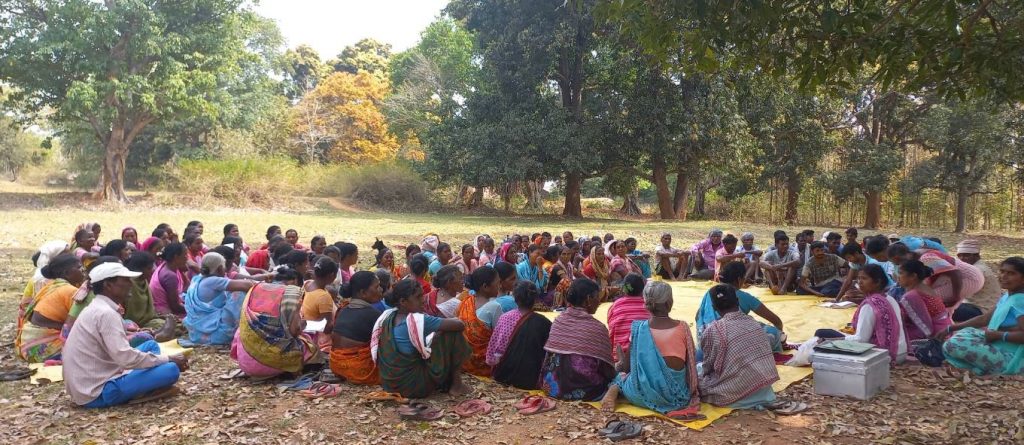
Governance Shift from Administration to Consent
Policy experts see the decision as a structural shift in governance philosophy. For decades, development in Jharkhand’s tribal belts has been driven by administrative clearances, the reason for the resistance over land acquisition and displacement. With PESA in force, development proposals will now require prior approval or consultation with Gram Sabhas, making social consent a central factor. This transition aligns Jharkhand with states such as Madhya Pradesh, Maharashtra and Chhattisgarh, where PESA rules are already operational and Gram Sabhas play an active role in resource governance and local planning.
Debate Over Panchayati Raj and PESA
The move has also revived an old debate. Tribal leaders and activists like Walter Kandulna and Robert Minz have argued that applying the Panchayati Raj Act in Fifth Schedule areas diluted traditional self-rule systems, which PESA was meant to protect. They maintain that governance in Scheduled Areas must be distinct and rooted in customary practices. On the other hand, state officials have cited Supreme Court judgments upholding the constitutional validity of Panchayati Raj provisions in Scheduled Areas, arguing that PESA rules operate within that framework. The Cabinet approval does not end this debate, but it places PESA at the center of tribal governance for the first time in Jharkhand.
Also Read: Jharkhand Government Drafting New Textile Policy to Push Industrial Investment
| Dimension | Before PESA (Jharkhand – Current Scenario) | After PESA Implementation (Expected) |
| Industrial Policy | State-driven, MoU-based | Gram Sabha–consented, bottom-up approach |
| New Industrial Units | Administrative approval sufficient | Gram Sabha proposal and approval required |
| Land Acquisition | LARR Act with administrative process | LARR Act + PESA + Gram Sabha consent |
| Role of Gram Sabha | Limited to consultation | Decisive authority / veto power |
| Mining (Major Minerals) | PSU/private allocation | Gram Sabha objections become legally relevant |
| Mining (Minor Minerals) | District-level auction | Community / Gram Sabha ownership |
| Use of Forest Land | Forest clearance dominant | Dual consent of forest authorities and Gram Sabha |
| Project Timelines | Faster but unstable | Initial delay, long-term stability |
| CSR and Rehabilitation (R&R) | Company-driven initiatives | Gram Sabha-defined priorities |
| Local Employment | Policy-based assurances | Gram Sabha-enforced commitments |
| Social Protests | High, movement-driven | Relatively lower, dialogue-based |
| Judicial Intervention | Frequent | Limited |
| Role of Administration | Controller | Facilitator |
| Corporate Risk | High social risk | Predictable and manageable social risk |
| State Image | Conflict-prone | Consent-based development |
Also Read: Jharkhand Cabinet Cleared Higher Cess Rates on Mineral-Bearing Land, Notification Issued

Implications for Land, Industry and Development
Once operationalised, the PESA framework is expected to significantly alter land acquisition processes for mining, power and infrastructure projects in tribal regions. Gram Sabha resolutions will become legally relevant, making early community engagement essential for both government agencies and private investors. While this may slow initial project timelines, policymakers argue that it will reduce long-term conflict, litigation and social unrest, the issues that have historically plagued development initiatives in the State.
A Turning Point, With Caveats
The Cabinet decision has been widely welcomed, but its impact will depend on how the rules are framed and implemented on the ground. Civil society groups have cautioned against any dilution of Gram Sabha powers through bureaucratic procedures or selective application. For a state where nearly 70 percent of the land falls under Scheduled Areas, the move marks a critical turning point. Whether it translates into genuine self-governance or remains another administrative reform will be determined in the months ahead, as Jharkhand moves from approval to execution.
Also Read: Bokaro Steel, A Workplace Where Accidents Ignored Until Casualties
Join the WhatsApp Group of Business Jharkhand to Stay tuned for all the latest updates of industrial-political developments in Jharkhand.
